Laser Automation Solutions for Material Surface Processing
In today’s advanced manufacturing landscape, precision, efficiency and surface integrity play a critical
role in determining product performance and longevity. Industries such as automotive, aerospace,
electronics, medical, etc increasingly demand surface modification techniques that are not only highly
accurate but also environmentally sustainable.
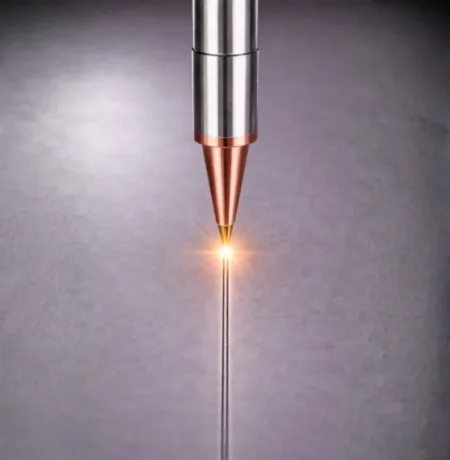
Laser surface processing is a non-contact, high-precision technique that utilizes a focused laser beam
to alter the surface properties of a material without affecting its characteristics. By carefully controlling
parameters such as laser power, pulse duration, wavelength and speed, it is possible to achieve a wide
range of surface modifications, including.
Cleaning
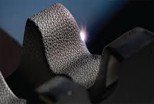
Texturing
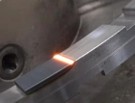
Hardening
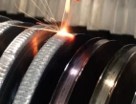
Cladding
The localized nature of laser-material interaction ensures minimal heat-affected zones, reduced
distortion and exceptional process control.
The versatility of laser surface processing lies in its ability to work across a broad spectrum of materials,
including metals, polymers, ceramics and composites. Whether the objective is to improve wear
resistance, enhance adhesion, remove contaminants or create functional surface patterns, laser
technology offers a highly efficient and scalable solution. As industries move toward automation and
smart manufacturing, laser surface processing continues to emerge as a key enabler of nextgeneration
production systems.
Why Laser Surface Processing Over Conventional Methods
Conventional surface processing techniques such as mechanical abrasion, chemical cleaning,
sandblasting and coating have been widely used across industries for decades. However, these
methods often involve trade-offs in terms of precision, environmental impact, process control and
long-term operational efficiency. Laser surface processing addresses many of these limitations,
making it a preferred choice in modern manufacturing environments.
1. Non-Contact and Tool-Free Process
Unlike mechanical methods that rely on physical tools and abrasive media, laser processing is entirely
non-contact. This eliminates tool wear, reduces maintenance requirements and prevents surface
damage caused by mechanical stress. The absence of consumables also ensures consistent
performance over time.
2. High Precision and Selective Processing
Laser systems offer micron-level precision, allowing highly localized treatment of specific areas
without affecting surrounding regions. This is particularly critical in applications such as
Laser Reengineered
Page 2
microelectronics, medical devices and precision engineering, where even minor deviations can impact
functionality.
3. Minimal Heat-Affected Zone (HAZ)
With controlled energy input and short pulse durations, laser processing minimizes thermal diffusion
into the material. This results in a very minimized heat-affected zones, preserving the base material’s
mechanical and metallurgical properties, an advantage over conventional thermal or chemical
methods.
4. Superior Process Control and Repeatability
Laser parameters such as power, frequency, pulse duration and speed can be precisely controlled and
automated. This ensures high repeatability and consistency across large production volumes, which is
difficult to achieve with manual or semi-automated conventional methods.
5. Reduced Operational Costs in the Long Run
While the initial investment in laser systems may be higher, the overall cost of ownership is significantly
lower due to reduced consumables, minimal maintenance, lower labour dependency and improved
process efficiency. This leads to a faster return on investment over time.
6. Environmentally Friendly and Clean Process
Traditional processes often involve hazardous chemicals, water consumption or abrasive waste. In
contrast, laser surface processing is a clean technology that produces minimal waste and eliminates
the need for chemicals, making it more sustainable and compliant with environmental regulations.
Types of Laser Surface Processing
Laser surface processing includes a range of techniques designed to modify surface properties through
controlled laser material interaction. By adjusting process parameters, these techniques can achieve
material removal, surface modification or localized deposition to meet specific functional
requirements.
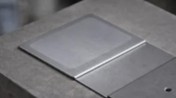
1. Laser Cleaning
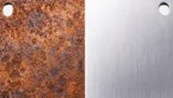
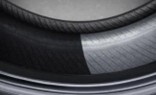
Laser cleaning is an ablation-based process used to remove contaminants such as rust, oxides, oil,
grease and coatings from material surfaces. The process relies on the differential absorption of laser
energy between the contaminant layer and the substrate, leading to rapid vaporization or ejection of
unwanted material while preserving the base surface. Controlled laser parameters ensure selective
and damage-free cleaning.
Advantages:
- Non-contact and chemical-free process
- Selective removal without substrate damage
- Minimal heat-affected zone
- No secondary waste or consumables
- Improves surface readiness for welding, coating or bonding
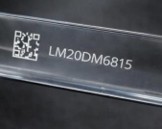
2. Laser Marking / Etching
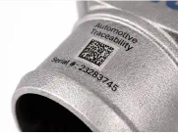
Laser marking or etching is a process used to create permanent, high-contrast markings on a material
surface by inducing localized thermal or photochemical changes. Unlike engraving, marking typically
does not remove significant material but alters surface properties such as color, reflectivity or oxidation
state.
Advantages:
- Permanent and high-precision marking
- No material removal or minimal surface penetration
- High speed and suitable for automation
- Excellent contrast and readability
- Suitable for serial numbers, barcodes, QR codes and logos
3. Laser Engraving
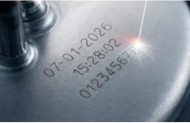
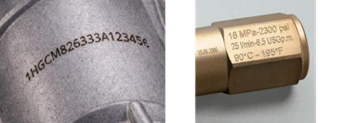
Laser engraving is a material removal process in which the laser beam vaporizes or melts the surface
to create deeper and more pronounced markings. It is typically used where durability and depth are
required, such as in industrial components or decorative applications.
Advantages:
- Removes material to create depth and texture
- Highly durable and wear-resistant markings
- Greater depth compared to marking/etching
- Suitable for metals, plastics and ceramics
- Enables complex patterns and detailed designs
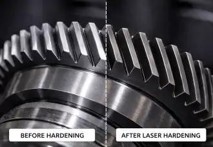
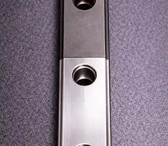
4. Laser Hardening
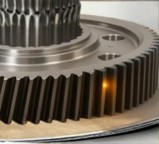
Laser hardening is a localized heat treatment process that increases surface hardness by heating the
material above its transformation temperature, followed by rapid self-quenching. This results in a
hardened microstructure while maintaining core properties.
Advantages:
- Localized hardening with minimal distortion
- No need for external quenching media
- Improved wear and fatigue resistance
- Retains core ductility and toughness
- Precise control over hardened depth
5. Laser Cladding
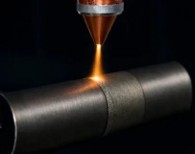
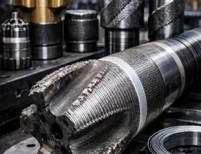
Laser cladding is a deposition process where a material (powder or wire) is melted and fused onto a
substrate to form a protective or functional coating. The process creates a strong metallurgical bond
with low dilution and high coating integrity.
Advantages:
- Strong metallurgical bonding
- Low porosity and high coating density
- Precise control of layer thickness
- Minimal heat input and distortion
- Ideal for repair and surface enhancement
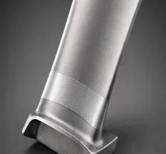
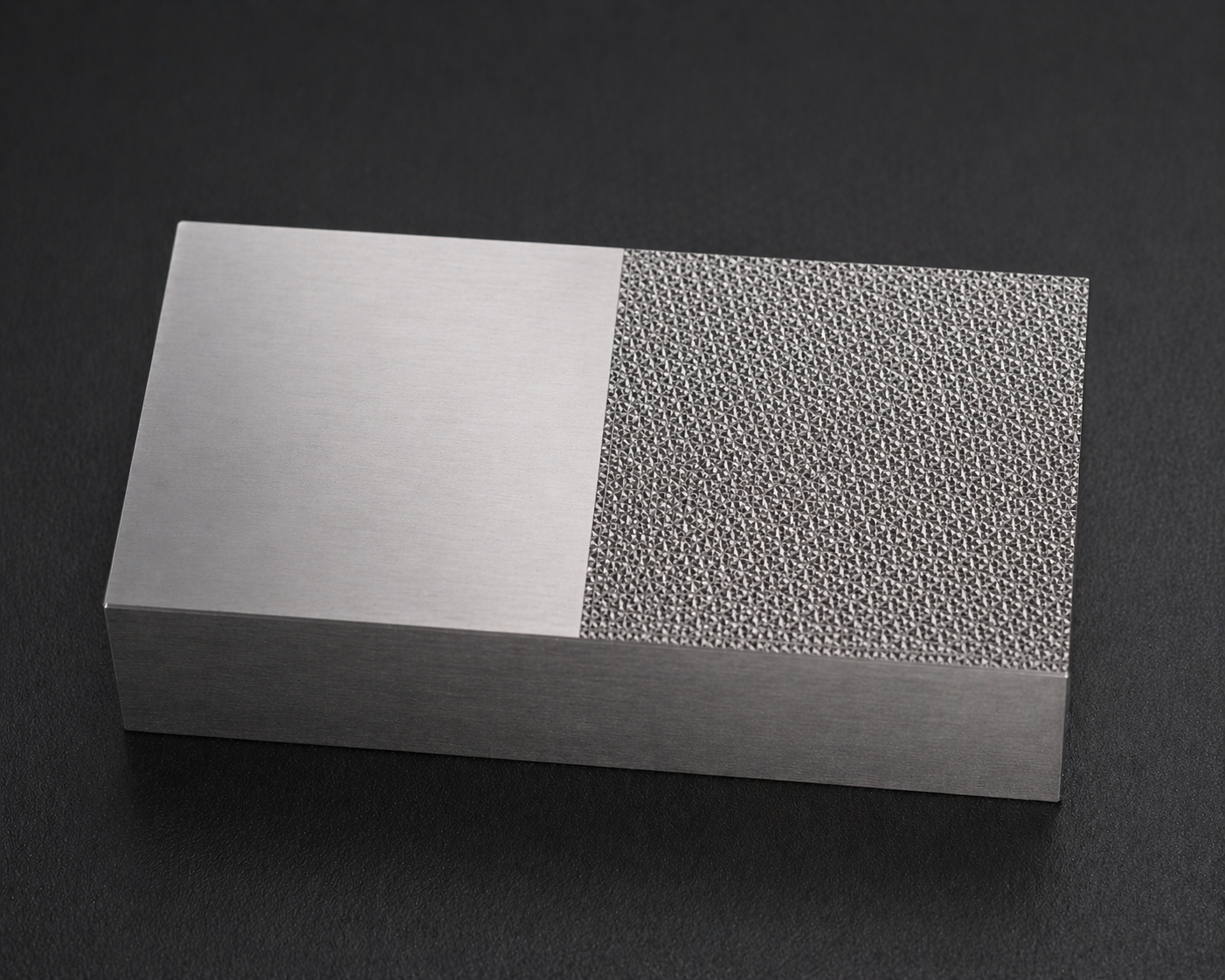
6. Laser Surface Texturing
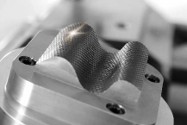
Laser surface texturing involves creating micro or nano-scale patterns on a surface to modify its
functional properties. These textures influence friction, adhesion and optical behaviour, making them
critical for performance-driven applications.
Advantages:
- Enables functional surface modification
- High precision micro/nano structuring
- Improves friction and wear characteristics
- Enhances coating and bonding performance
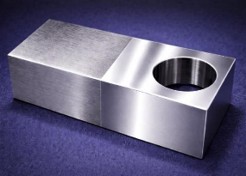
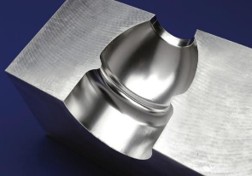
7. Laser Polishing
Laser polishing is a surface finishing process that smoothens rough surfaces by melting a thin surface
layer and allowing it to re-solidify under controlled conditions. Surface tension redistributes the molten
material, reducing surface irregularities and improving overall finish without mechanical contact.
Advantages:
- Significant reduction in surface roughness
- Non-contact and tool-free finishing
- Suitable for complex and intricate geometries
- Eliminates need for abrasive or mechanical polishing
- Enhances surface integrity and corrosion resistance
8. Laser Hydrophobic Treatment
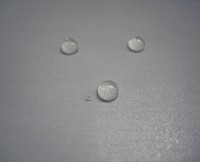
Laser-induced hydrophobicity is a surface engineering technique where laser irradiation creates microand
nano-scale textures that repel water. By modifying the surface roughness and chemistry in a single
step, it enhances water contact angles without the need for additional coatings. This method mimics
natural phenomena like the lotus leaf effect, resulting in highly durable and functional surfaces. This is
widely used in advanced manufacturing for improving performance and longevity of materials.
Advantages:
- Enables Self-cleaning allowing water droplets roll off, carrying dust and contaminants.
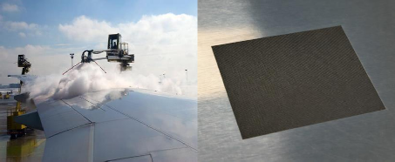
- Reduced adhesion prevents ice buildup on critical surfaces.
- Enables self-cleaning, anti-icing, wear and corrosion resistance in one treatment
- Works on complex shapes and non-flat surfaces
- Suitable for industrial automation and large-area processing
- Compatible with glass, sapphire, steel, titanium, and other materials.
Industrial Applications for Laser Surface Processing
Laser surface processing plays a critical role in modern manufacturing environments where precision,
reliability and performance are essential. Its ability to deliver controlled, localized and repeatable
surface modification makes it highly valuable across industries that demand high-quality standards
and functional surface engineering.
1. Automotive & E-Mobility
The transition toward electric mobility, combined with high-volume production requirements, has
significantly increased the adoption of laser surface processing in the automotive sector.
Major Applications:
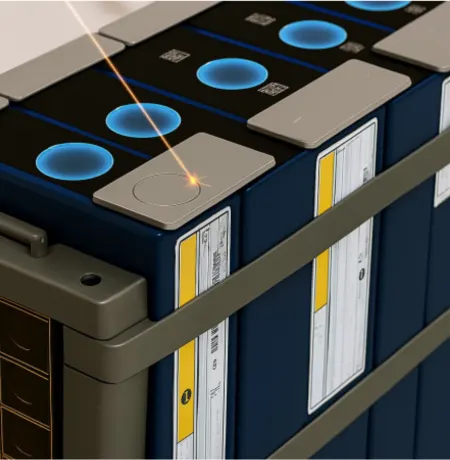
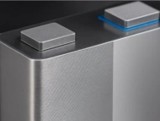
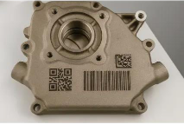
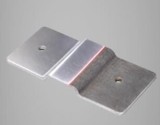
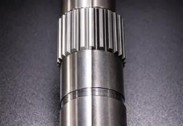
- Laser cleaning of battery tabs, busbars and cell connections prior to welding to ensure defectfree joints
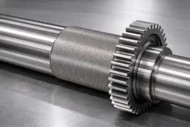
- Laser hardening of drivetrain components such as gears, shafts and cam profiles for enhanced wear resistance
- Laser marking for traceability, including VIN numbers, QR codes and component identification
- Laser cladding for repair and life extension of high-value automotive components
2. Electronics & Semiconductors
The electronics industry requires extremely high precision and contamination-free processes, making
laser-based surface processing indispensable in both manufacturing and assembly stages.
Major Applications:
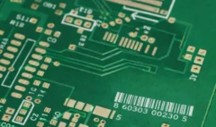
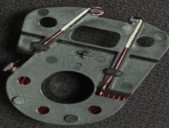
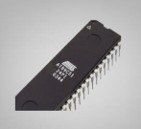
- High-resolution laser marking on PCBs and electronic components for traceability and identification
- Laser cleaning of oxides and residues before soldering, wire bonding or coating processes
- Selective material removal and structuring for miniaturized electronic components
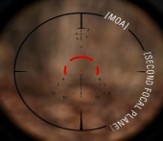
3. Defense & Aerospace
In defense and aerospace, components are exposed to extreme mechanical and environmental
conditions, requiring high-performance surfaces and strict quality control.
Major Applications:
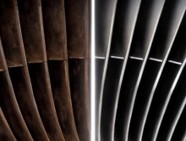
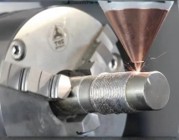
- Laser cladding for repair of turbine blades, engine parts and structural components, extending component life
- Laser cleaning and coating removal for maintenance and refurbishment without substrate damage
- Laser marking for permanent identification and traceability of mission-critical components
- Laser polishing of precision components to improve fatigue resistance and aerodynamic performance
- Laser texturing for functional surfaces in high-performance systems
- Hydrophobic and Hydrophilic Surface Treatment for aircraft wings and sensors.
4. Medical Devices
Medical applications demand high precision, cleanliness and biocompatibility, where laser surface
processing offers significant advantages over conventional methods.
Major Applications:
- Laser marking of surgical instruments and implants for permanent traceability
- Laser polishing to achieve ultra-smooth surfaces, improving performance
- Laser cleaning for contamination-free surface preparation without chemical residues
5. Tooling, Molds and Dies
Tooling industries require surfaces that can withstand repeated mechanical stress while maintaining
dimensional accuracy and surface quality.
Major Applications:
- Laser hardening of molds and dies to improve wear resistance and extend tool life
- Laser polishing for superior surface finish, directly impacting product quality
- Laser surface texturing of molds for functional and aesthetic finishes
- Laser engraving for detailed patterns, logos and identification marks on tooling components
Across these industries, laser surface processing serves as a key enabler for achieving enhanced
performance, longer component life and consistent manufacturing quality. Its adaptability to different
materials and applications positions it as a critical technology in advanced and high-precision
industrial sectors.
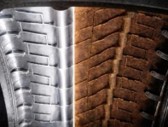
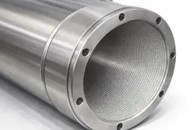
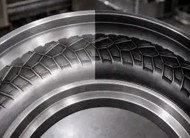
Case Study:
An automotive component manufacturer required a reliable surface processing solution to refurbish
parts that had existing serial numbers marked. These components often had oxidation, contamination
and degraded markings. The objective was to remove the existing marking without affecting the base
material and re-mark the updated serial number with high durability and clarity.
A laser-based surface processing approach was implemented, integrating laser cleaning/ablation and
laser marking. Laser ablation enabled precise removal of previous marks through controlled laser
processing, resulting in a clean and uniform surface while preserving material integrity with minimal
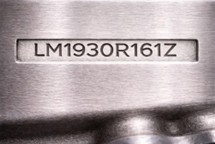
heat affected zone (HAZ). This prepared the component for accurate re-marking. Laser engraving was
then carried out with optimized parameters to reproduce the updated serial number precisely.
The process achieved engraving depths of up to 200 microns with high contrast and sharp definition,
ensuring long-term readability under operational conditions. As a non-contact surface processing
method, it maintained dimensional accuracy and eliminated the need for mechanical or chemical
intervention, delivering a consistent and repeatable solution for traceability in automotive repair
applications.
Solutions by Light Mechanics
Light Mechanics delivers advanced laser surface processing solutions built around precision, reliability
and application-focused engineering. With deep expertise across multiple laser surface processes, the
company focuses on providing solutions that are not just technologically robust but also aligned with
real-world manufacturing challenges. The emphasis is on delivering systems that enhance
productivity, ensure consistent quality and adapt seamlessly to evolving production requirements.
Key Advantages:
- Application-driven approach with strong technical understanding of industry needs
- High precision and process consistency across all laser operations
- Flexible system design & seamless integration with customisable automation systems including robotics, conveyors, indexers, etc
- Strong after-sales support, training and application assistance
As manufacturing continues to evolve toward higher precision and performance-driven outputs, the
importance of controlled and functional surface engineering is becoming increasingly critical. Laser
surface processing not only enables targeted modification at micro and macro levels but also allows
manufacturers to achieve greater process stability, reduced rework and improved product
consistency.
With increasing emphasis on automation, sustainability and high-quality standards, laser-based
processes are well-positioned to support next-generation manufacturing. Their adaptability across
materials, compatibility with digital manufacturing systems and ability to deliver repeatable results
make them a strategic investment for industries aiming to enhance both productivity and product
performance.
If you are exploring ways to improve surface quality, optimize production efficiency or integrate
advanced laser solutions into your operations, Light Mechanics can support you at every stage from
feasibility and trials to full-scale implementation. Connect with our team to discuss your application
requirements and discover the right laser solution tailored to your needs.
Reach out to us at:
Email ID: marketing@lightmech.com
Email ID: marketing@lightmech.com
Article By: