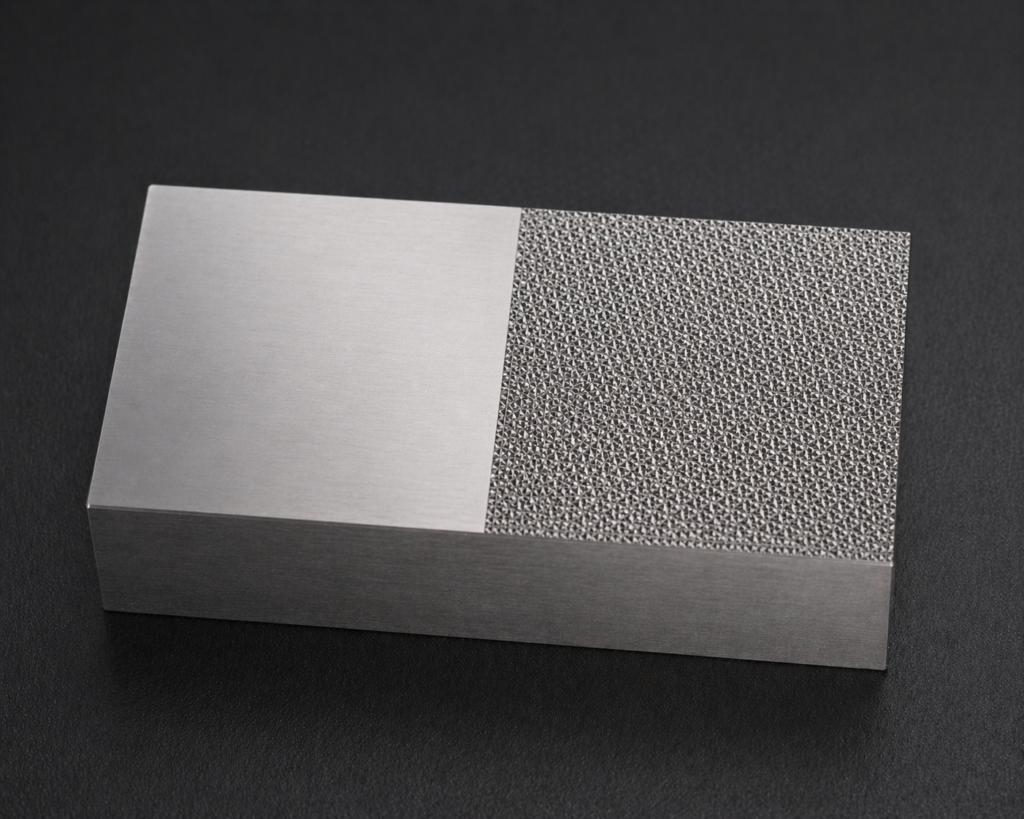
Laser Automation Solutions for Material Surface Processing
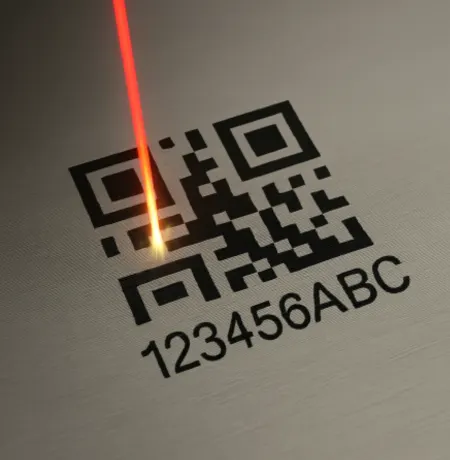
Laser Automation Solutions for Material Surface Processing In today’s advanced manufacturing landscape, precision, efficiency and surface integrity play a critical role in determining product performance and longevity. Industries such as automotive, aerospace, electronics, medical, etc increasingly demand surface modification techniques that are not only highly accurate but also environmentally sustainable.Laser surface processing is a non-contact, high-precision technique that utilizes a focused laser beam to alter the surface properties of a material without affecting its characteristics. By carefully controlling parameters such as laser power, pulse duration, wavelength and speed, it is possible to achieve a wide range of surface modifications, including. Cleaning Texturing Hardening Cladding The localized nature of laser-material interaction ensures minimal heat-affected zones, reduced distortion and exceptional process control.The versatility of laser surface processing lies in its ability to work across a broad spectrum of materials, including metals, polymers, ceramics and composites. Whether the objective is to improve wear resistance, enhance adhesion, remove contaminants or create functional surface patterns, laser technology offers a highly efficient and scalable solution. As industries move toward automation and smart manufacturing, laser surface processing continues to emerge as a key enabler of nextgeneration production systems. Why Laser Surface Processing Over Conventional Methods Conventional surface processing techniques such as mechanical abrasion, chemical cleaning, sandblasting and coating have been widely used across industries for decades. However, these methods often involve trade-offs in terms of precision, environmental impact, process control and long-term operational efficiency. Laser surface processing addresses many of these limitations, making it a preferred choice in modern manufacturing environments.1. Non-Contact and Tool-Free ProcessUnlike mechanical methods that rely on physical tools and abrasive media, laser processing is entirely non-contact. This eliminates tool wear, reduces maintenance requirements and prevents surface damage caused by mechanical stress. The absence of consumables also ensures consistent performance over time.2. High Precision and Selective ProcessingLaser systems offer micron-level precision, allowing highly localized treatment of specific areas without affecting surrounding regions. This is particularly critical in applications such as Laser Reengineered Page 2 microelectronics, medical devices and precision engineering, where even minor deviations can impact functionality.3. Minimal Heat-Affected Zone (HAZ)With controlled energy input and short pulse durations, laser processing minimizes thermal diffusion into the material. This results in a very minimized heat-affected zones, preserving the base material’s mechanical and metallurgical properties, an advantage over conventional thermal or chemical methods.4. Superior Process Control and RepeatabilityLaser parameters such as power, frequency, pulse duration and speed can be precisely controlled and automated. This ensures high repeatability and consistency across large production volumes, which is difficult to achieve with manual or semi-automated conventional methods.5. Reduced Operational Costs in the Long RunWhile the initial investment in laser systems may be higher, the overall cost of ownership is significantly lower due to reduced consumables, minimal maintenance, lower labour dependency and improved process efficiency. This leads to a faster return on investment over time.6. Environmentally Friendly and Clean ProcessTraditional processes often involve hazardous chemicals, water consumption or abrasive waste. In contrast, laser surface processing is a clean technology that produces minimal waste and eliminates the need for chemicals, making it more sustainable and compliant with environmental regulations. Types of Laser Surface Processing Laser surface processing includes a range of techniques designed to modify surface properties through controlled laser material interaction. By adjusting process parameters, these techniques can achieve material removal, surface modification or localized deposition to meet specific functional requirements.1. Laser CleaningLaser cleaning is an ablation-based process used to remove contaminants such as rust, oxides, oil, grease and coatings from material surfaces. The process relies on the differential absorption of laser energy between the contaminant layer and the substrate, leading to rapid vaporization or ejection of unwanted material while preserving the base surface. Controlled laser parameters ensure selective and damage-free cleaning.Advantages: Non-contact and chemical-free process Selective removal without substrate damage Minimal heat-affected zone No secondary waste or consumables Improves surface readiness for welding, coating or bonding 2. Laser Marking / EtchingLaser marking or etching is a process used to create permanent, high-contrast markings on a material surface by inducing localized thermal or photochemical changes. Unlike engraving, marking typically does not remove significant material but alters surface properties such as color, reflectivity or oxidation state.Advantages: Permanent and high-precision marking No material removal or minimal surface penetration High speed and suitable for automation Excellent contrast and readability Suitable for serial numbers, barcodes, QR codes and logos 3. Laser EngravingLaser engraving is a material removal process in which the laser beam vaporizes or melts the surface to create deeper and more pronounced markings. It is typically used where durability and depth are required, such as in industrial components or decorative applications.Advantages: Removes material to create depth and texture Highly durable and wear-resistant markings Greater depth compared to marking/etching Suitable for metals, plastics and ceramics Enables complex patterns and detailed designs 4. Laser HardeningLaser hardening is a localized heat treatment process that increases surface hardness by heating the material above its transformation temperature, followed by rapid self-quenching. This results in a hardened microstructure while maintaining core properties.Advantages: Localized hardening with minimal distortion No need for external quenching media Improved wear and fatigue resistance Retains core ductility and toughness Precise control over hardened depth 5. Laser CladdingLaser cladding is a deposition process where a material (powder or wire) is melted and fused onto a substrate to form a protective or functional coating. The process creates a strong metallurgical bond with low dilution and high coating integrity.Advantages: Strong metallurgical bonding Low porosity and high coating density Precise control of layer thickness Minimal heat input and distortion Ideal for repair and surface enhancement 6. Laser Surface TexturingLaser surface texturing involves creating micro or nano-scale patterns on a surface to modify its functional properties. These textures influence friction, adhesion and optical behaviour, making them critical for performance-driven applications.Advantages: Enables functional surface modification High precision micro/nano structuring Improves friction and wear characteristics Enhances coating and bonding performance 7. Laser PolishingLaser polishing is a surface finishing process that smoothens rough surfaces by melting a thin surface layer and allowing